Installing Sod Yourself: A Complete Walkthrough for Homeowners
When you're ready to transform your outdoor space, DIY sod installation is often the perfect solution. With the right preparation and approach, you can create a lush, green lawn that adds value to your home. Before you start, however, there are key factors to evaluate to achieve success. Let's explore the steps you need to take to create a vibrant lawn that you can be proud of.
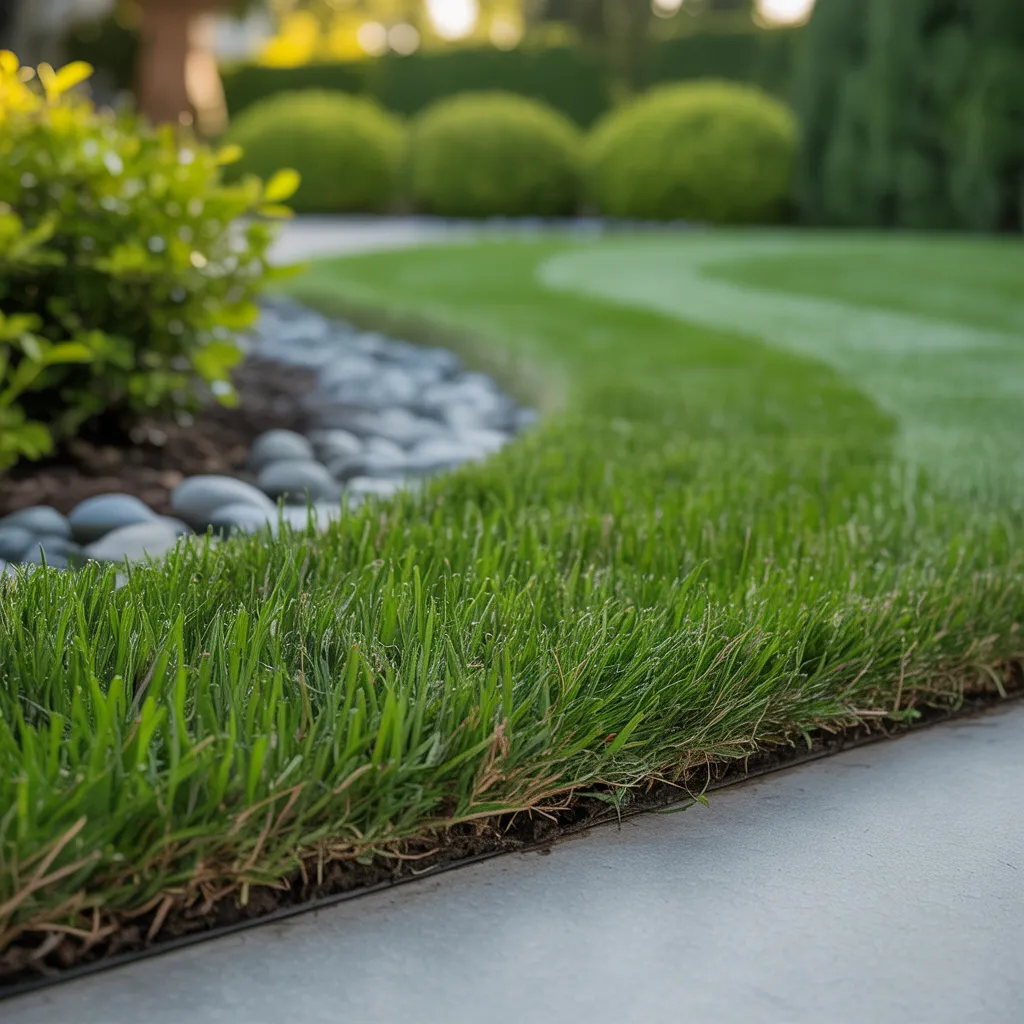
Picking the Right Type of Sod for Your Lawn
When selecting the right type of sod for your lawn, how do you figure out which variety will thrive in your specific environment? Begin by considering your climate. Warm-season grasses, such as Bermuda and Zoysia, thrive in warm, sunny areas, while cold-season grasses, such as Kentucky Bluegrass and Fescue, thrive in cooler temperatures. Next, assess sunlight exposure. If your yard gets direct sun, you can select a larger range of options. However, shaded zones often demand specialized varieties. Also, examine your lawn's use; if it experiences high traffic, you'll want a durable type. Finally, consult local gardening centers or extension services to get suggestions based on your region. Choosing wisely now will create a lush, healthy lawn later.
Prepare Your Yard: Testing Soil and Preparing the Site
Before installing sod, it's important to get your yard ready, beginning with soil testing and site preparation. First off, test your soil's pH and nutrient levels using a straightforward kit from your neighborhood garden center. This will help you discover what additives your soil needs for best growth.
Following this, eliminate any weeds, debris, or existing grass. If needed, utilize a shovel or a sod cutter to eliminate existing grass and roots. Afterwards, till the soil to a depth of approximately 4-6 inches, enabling better drainage and root penetration.
Lastly, smooth the soil to establish an even surface, guaranteeing good contact between the sod and soil. Implementing these procedures will offer your new sod the best chance to grow successfully.
Necessary Equipment and Materials for DIY Sod Installation
Gathering the right tools and materials is vital for a successful DIY sod installation. Start with a sharp spade or sod cutter to clear away old grass and prepare the area. You'll also need a rake for evening out the soil and a shovel for digging. A garden hose or sprinkler will help you ensure proper irrigation after laying the sod. Don't forget a measuring tape to map out your layout correctly.
Regarding materials, invest in quality sod that suits your climate and soil type. Additionally, get some topsoil or compost to amend your existing soil, and consider a roller to flatten the sod once it's laid. Having these tools and materials ready will make your installation process smoother and more efficient.
Professional Guide: Installing DIY Sod Professionally
Laying sod can transform your yard into a lush, green oasis in just a few hours. To start, prep the space by removing debris and evening out the soil. Next, moisten the soil slightly to help the sod establish better. Begin placing the sod along a straight line, offsetting the seams similar to bricks. Press the edges together firmly to eliminate gaps. Employ a sharp cutter to slice any surplus sod at the perimeter. Following placement, roll the sod softly with a roller to confirm adequate soil contact. Hydrate the sod instantly, drenching it fully. Keep the sod moist but not soggy for the first couple of weeks. Stick to these instructions, and you'll enjoy a gorgeous lawn quickly!
Vital Maintenance and Watering Tips Once You've Completed Laying New Sod
When you've completed your sod installation, adequate watering and care are essential to confirming it develops roots and grows well. Start by watering your new sod directly following installation, soaking it thoroughly to promote deep root growth. Throughout the first fourteen days, keep the soil regularly moistened, watering daily or even twice a day if temperatures are high with sunshine. After that, decrease irrigation to two to three times per week, depending on rainfall and temperature. Make sure to mow your sod once it grows to about three inches high, but don't cut more than one-third of the height at one time. At last, apply a starter fertilizer after around four weeks to give your new lawn the nutrients it needs to prosper.
Troubleshooting: Steps to Take When Your Sod Fails to Root?
When your sod doesn't take root, it's time to troubleshoot the issue. Begin by examining soil moisture levels, as too much or too little water can hinder growth. Then, check for pest problems and assess sunlight exposure to verify that your sod gets the ideal circumstances to establish successfully.
Check Moisture Levels
How do you determine if your soil contains adequate moisture for sod to flourish? Start by testing the soil with your fingers. Reach down roughly an inch; the soil should be moist yet not overly wet. If it's dry, your sod might struggle to establish roots. Irrigate the space well and allow a few days to pass before testing again. Puddles or muddy soil indicate potential overwatering. You can also employ a soil moisture meter to obtain precise readings. Optimal conditions require soil that remains uniformly damp with good drainage. Proper moisture guarantees your sod takes root and grows strong, setting the foundation for a lush lawn. Make adjustments as needed for best results.
Look for Pests
Inspecting for pests is essential when your sod isn't taking properly. Commence by inspecting the grass blades and soil for any indications read this article of insects such as grubs, chinch bugs, or sod webworms. Search for irregular patches, discoloration, or dead spots, which could suggest an infestation. If you spot any pests, act quickly. You can use insecticidal soap or neem oil for a natural approach, or go for chemical treatments created for specific pests. Furthermore, check for indicators of disease, like fungus or mold, which can also impact your sod's health. Don't forget to inspect the adjacent area, too, as pests can easily transfer from nearby plants. Resolving pest issues promptly will help your sod prosper.
Assess Sunlight Exposure
Can you confirm your sod is receiving enough sunlight? If your sod isn't taking root, lack of sunlight could be the culprit. Most grass types thrive in full sun, requiring at least six to eight hours of direct sunlight every day. Assess your yard for any shading from trees, buildings, or fences that could block needed light. If you find areas without adequate sunlight, consider pruning overgrown plants or moving sod to a sunnier spot. You could also investigate shade-tolerant grass varieties if your yard is mostly shaded. Remember, healthy grass requires that sunlight to establish deep roots. Assess your sunlight exposure consistently, and make changes as needed to make sure your new sod thrives.
Is It Time to Hire Professionals for Your Lawn?
While countless home owners value their DIY capabilities, sod installation can be a demanding project that makes you question whether you should call in the professionals. If you have limited experience in lawn care or don't have the time to dedicate to the project, enlisting professional help may be the wisest option. They'll ensure proper soil preparation, precise measurements, and optimal installation techniques, resulting in a vibrant, thriving lawn.
In addition, if your property has particular challenges, including poor drainage or uneven terrain, specialists can address these concerns effectively. Bear in mind, enlisting professional help can spare you time and frustration, leading to a healthy lawn that enhances your property's curb appeal. Finally, consider your capabilities and schedule against the prospective benefits of employing a pro.
Common Questions
How Long Does It Take for Sod to Root Properly?
It usually takes around two to three weeks for the sod to develop strong roots. During this time, maintain consistent soil moisture, and limit foot traffic to make sure your lawn establishes correctly.
Is Installing Sod During Winter Months Possible?
Winter months aren't suitable for sod installation. Cold temperatures hinder root development, making it difficult for sod to establish. It's best to wait until spring when conditions are more favorable for successful growth.
What Steps Should I Take if Brown Spots Appear on My Sod?
Should your sod develop brown spots, investigate pests, diseases, or improper watering. Update your watering schedule, fix any problems, and confirm your lawn acquires proper nutrients. Ongoing maintenance will work to revive those brown zones.
How Often Should I Fertilize My New Sod?
You ought to fertilize your new sod around six to eight weeks after installation. After that, schedule a balanced fertilizer every six to eight weeks throughout the growing season to ensure your lawn vibrant and healthy.
Should I to Edge My Lawn After Installing Sod?
It's advisable to edge your lawn once sod has been installed. Edging creates a clean boundary, enhances the overall appearance, and helps maintain soil moisture. Additionally, it stops grass from encroaching on garden beds or walkways.